
10 Essential Adventure Tips for Riding Romania’s Wild Trails
From packing light to tackling muddy climbs: ten practical tips to ride smarter on Romania’s rugged terrain.
Hard Adventure Tour ·
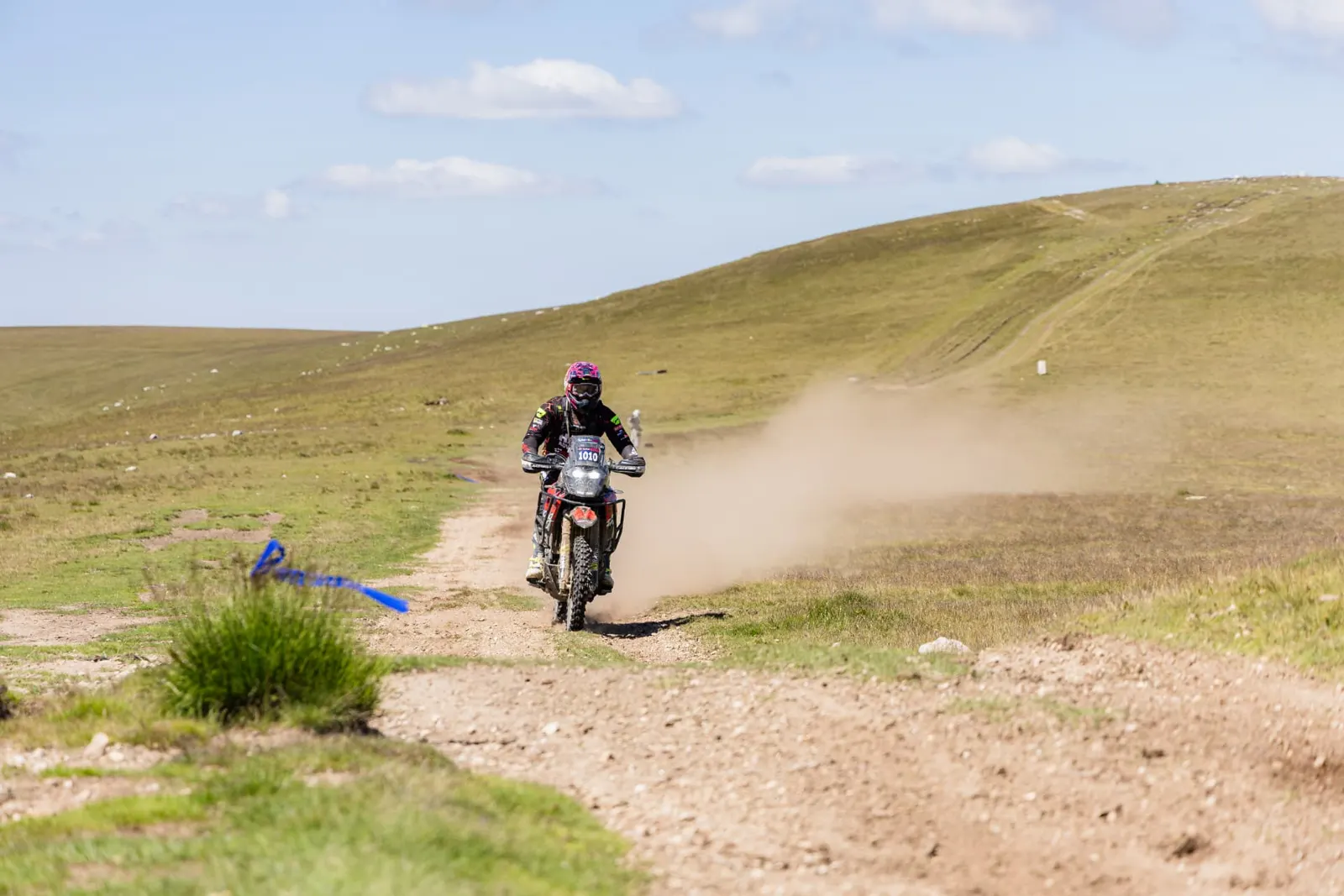
Ride Smarter, Ride Wilder
Romania is one of Europe’s last true motorcycle adventure frontiers: wild, raw, naturally beautiful, and seriously underrated. But with beauty comes challenge: narrow forest trails, steep rocky descents, river crossings, and unpredictable terrain.
If you want to ride hard and come back smiling (and upright), these 10 essential tips and guidelines will help you ride smarter through Romania’s most rugged terrain.
1. Choose Dual-Sport or ADV Tires. Always.
You’ll ride everything from alpine switchbacks to mud, gravel, and forest roots, sometimes all in a single afternoon. Don’t even think about coming with street tires.
Pro Tip:Mitas E-07, Heidenau K60, or Michelin Anakee Wilds are great choices.
2. Pack Light, and then Pack Lighter
Romanian trails are tight, steep, and unpredictable. Heavy bikes loaded with hard luggage make tricky terrain dangerous. Soft panniers and dry bags are your best friends.
Goal: Keep all gear under 20kg total. Lay everything out, cut it by 30%, then pack.
Photo: Freepik
3. Layer for Altitude and Storm Swings
You can go from 30°C to 5°C in one hour in the Carpathians. Always bring three core layers.
Expect: sudden fog, downpours, strong UV at altitude.
Essential Layers:
1. Base layer (moisture-wicking)
Your base layer keeps sweat off your skin and regulates body temp. In summer, it should breathe and dry fast. In colder seasons, go for lightweight insulation and odor control.
- Klim Aggressor Cool 1.0– Actively cools and wicks moisture, built for hot rides.
- Troy Lee Designs Ride Tee – Enduro fit with built-in mesh panels.
- Icebreaker Merino 150 – Breathable warmth with natural odor resistance.
Pro Tip: Avoid cotton at all costs. It traps moisture and gets clammy fast.
2. Insulation Layer (light mid-layer)
You won’t always need this, but when temperatures dip, even in summer at altitude, a mid-layer traps warmth without bulk. Look for packable warmth that fits under a shell or armor.
- Klim Resistor Mid-Layer Shirt– Moto-specific, flexible, packs small.
- Patagonia R1 Air Full-Zip Hoody – Lightweight fleece, breathes when you ride.
- The North Face Ventrix Hoodie – Active insulation that breathes with you.
Pro Tip: Keep this layer stashable in your tail pack for those mid-day mountain temperature swings.
3. Waterproof Shell (year-round protection)
Rain, river crossings, sudden storms, a shell keeps you dry and blocks wind. Even in summer, you’ll want this for higher elevation rides or sketchy weather windows.
- Klim Traverse Jacket – Lightweight Gore-Tex, great for layering or hot days.
- REV’IT! Component H2O– Enduro-focused, waterproof but breathable.
- Mosko Moto Deluge Over Jacket – Designed to go over armor, stashes tight.
Pro Tip: Look for a shell with ventilation zips so you don’t overheat during climbs.
4. Use Gloves With Real Grip
Off-road riding in Romania means braking on gravel, standing on pegs, and working your clutch through tight turns. Inappropriate, thick winter or street gloves won’t cut it.
Look for: dual-sport gloves with reinforced palms and light knuckle armor, motocross/enduro gloves. Bring a spare pair in case it rains.
Photo: klim.com
5. Download Offline Maps Before You Ride On Your Own
There’s no “recalculating” when you’re deep in the Romanian backcountry. Cell signal dies fast, especially in valleys, forests, and high-alpine zones, so don’t rely on Google Maps or mobile data to find your way.
Before you ride solo (or as a group), make sure to:
- Preload your offline maps
- Import GPX tracks
- Have a backup power source
- Know how to read terrain contours (not just follow a blue line)
If you’re riding with us, we handle the routes. If you’re venturing out on your own, you’d better come prepared.
Top Apps for Adventure Navigation
- Osmand – Best for budget-friendly nav with powerful map overlays
- Viewranger – Best for scenic route planning and long-distance trails
- Locus Map Pro (Android only) – Best for riders who want total control and GPS geek tools
- Maps Me – Best for basic offline navigation and spontaneous exploration
- Orux Maps (Android only) – Best for tech-savvy riders who want deep customization
- Motion X (iOS only) – Best for Apple users who want reliable GPX and tracking
- Galileo (Now Guru Maps) – Best for both iOS/Android users who value ease, and functionality
Contact us if you would like route advice for your preferred terrain, difficulty and season.
6. Know Basic Trailside Fixes
No mechanics out here, when you decide to ride on your own; just you, your tools, and a goat watching from the ridge.
Always Be Prepared to Fix
Hard adventure means riding prepared. Breakdowns in the wild aren’t rare, they’re part of the ride.
Here are some of the most common trail-side issues you’ll face, and what you’ll wish you had when they happen:
1. Flat tires
Whether it’s a sharp rock or a thorny climb, flats are inevitable. Fix it with:
- Tubeless plug kit
- Spare tube + tire irons
- Mini pump or CO₂ inflator
- Valve core remover
2. Loose levers
A simple drop can tweak your clutch or brake lever. If it’s dangling, you’re done, unless you brought spares. Fix it with:
- Spare levers
- Allen keys + wrench
- Zip ties
3. Broken clutch cable Sudden snap? You’ll need a trail fix or your ride’s over. Fix it with:
- Cable repair kit or spare cable
- Mini adjustable wrench
- Vice grips
4. Flooded airbox or engine Deep river crossings can end your ride if you suck water. Fix it with:
- Towel/rag to clean airbox
- Remove spark plug and kick engine clear
- WD-40
5. Loose chain Rock hits, tension wear, or aggressive climbs can throw your chain slack. Fix it with:
- Adjustable spanner
- Chain breaker
- Chain lube
- Small rag
Carry with you: tire kit, multitool, zipties, spare levers, duct tape, chain lube.
7. Stay Hydrated Like It’s Your Full-time Job
You’ll sweat more than you think, especially during technical climbs and descents or pushing out of mud. Carry at least 2L of water at all times. Mountain springs are safe to drink from. Streams… not always.
Photo: kriega.com for hydration backpacks
8. Ride With Eyes Up
One of the biggest rookie mistakes is target fixation: staring at your front tire or that rock you’re trying not to hit. The trail doesn’t wait for you to react, you have to read it before it happens.
Train yourself to look 10–15 meters ahead at all times. Your eyes lead your body, your body leads the bike. When your vision is forward, everything else, throttle, braking, line choice, starts to flow.
Why It Matters:
- Avoids panic braking and sudden movements
- Helps you scan terrain and commit to a line
- Gives your brain time to adjust to changes
- Reduces fatigue by letting your body move naturally with the bike
Especially important on: rocky descents, loose gravel, off-camber climbs.
9. A Night Under the Stars Hits Different
Hotels are great. Hot showers, soft beds, drinks and spa waiting at check-in. But some nights, just one or two per trip, deserve something else.
Wild camping is legal in most of Romania, and most often, the trail leads you to a place where it just makes sense to stop. No fences. No noise. Just mist over the treeline and stars clear enough to navigate by.
What to Pack in Case You Camp
- Ultralight tent or bivvy setup
- Warm sleeping bag (mountain-rated)
- Compact cooking system (Jetboil, MSR)
- Firestarter + water filter
- Headlamp + power bank
- Trash bag. Leave no trace!
10. Ride With Locals (Or Guides Who Ride Like Locals)
The map won’t tell you if a trail washed out last week, if a shepherd’s dog is blocking a pass, or if the shortcut you found leads to a locked gate on private land. But someone who lives and rides here will.
Romanian terrain changes fast: rain reshapes riverbeds, landowners block old routes, and what looked fun on Komoot might be a nightmare in real life. Riding with someone who knows the trails, the land, and the rhythm of the area can mean the difference between a 3-hour stoke fest or a 12-hour stuck-and-pushing saga.
What Riding With a Local Mindset Really Means
- Knowing which trails are legit vs. closed or off-limits
- Spotting alternate lines when the main one’s a no-go
- Navigating language or land access issues
- Understanding when to push on and when to reroute
You don’t always need a formal guide, but you do need insider knowledge.
Ride With People Who
- Actually ride here (not just organize tours)
- Know what gear to run for local terrain
- Understand weather patterns, water levels, and how fast the mud turns to hell
- Can fix a snapped lever, negotiate with a shepherd, talk to authorities, or tow you out if it all goes wrong
Want to ride solo? Cool. Just ask first. We’re happy to share local advice or GPX routes so your solo ride doesn’t turn into a search-and-rescue situation.
TL;DR: Your Romania Adventure Checklist
- Knobby tires
- Light packing
- Weatherproof layering
- Trailside tools
- Hydration + snacks
- Offline maps
- Confident riding posture
- Flexibility & local knowledge
Frequently Asked Questions
What tools should I always carry on the trail?
At minimum: tire repair kit, multitool, zip ties, duct tape, mini chain lube, spare levers, and a headlamp. It’s worth packing what you hope you won’t need.
Can I wild camp with a motorcycle in Romania?
Yes. Wild camping is generally legal and accepted in Romania, especially in the mountains. Just avoid national parks, private land, or protected reserves unless permitted.
What’s the best time of year for off-road riding in Romania?
May to October is ideal. Spring means mud, river crossings, and some leftover snow at higher altitudes, perfect if you’re into technical riding. Winter? Not unless you’ve got snow tires.
Can I ride these trails solo, or should I go guided?
You can ride solo, but some trails are remote, and terrain can change fast. A local guide helps avoid wrong turns, blocked routes, or private land.
Plan your ride
Tell us how you like to ride and we will put together a personalised proposal.