
Bringing your own motorcycle vs renting for a Romanian riding trip
Compare familiarity, transport, bike fit, preparation and written rental terms before choosing the motorcycle setup for your Romanian riding trip.
Hard Adventure Tour ·
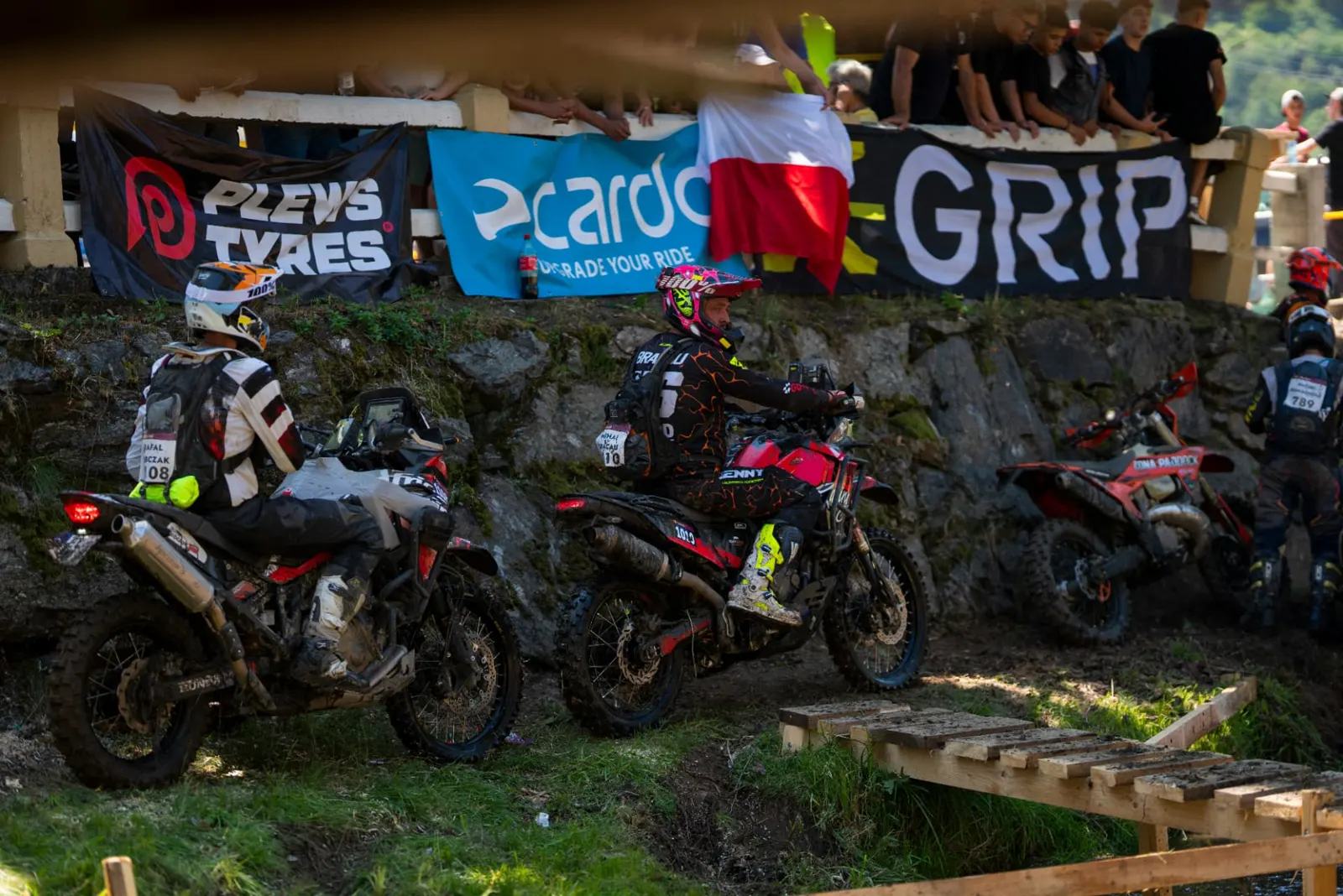
Choosing between your own motorcycle and a rental is not just a question of ownership. It is a balance between familiarity, logistics, preparation and the sort of riding you plan to do. Neither option is automatically cheaper, simpler or better for every rider. The right answer depends on your journey and what you value most.
What your own bike gives you
You already know its controls, balance, reach and responses. Familiarity can reduce the mental load of adapting to a new machine, especially when the route asks for concentration. You may also have adjusted the cockpit, suspension or luggage to suit yourself. If you have recently ridden the motorcycle in comparable conditions, you know more clearly how it behaves when loaded and after a full day.
That familiarity comes with preparation work. Consider the motorcycle’s condition, service schedule, tyres, luggage setup and the transport journey to and from the riding area. International transport can involve bookings, time, paperwork and costs that vary by route and provider; do not assume a single universal process. Pack only what you need, secure luggage thoughtfully and check the motorcycle manufacturer’s guidance for load limits and setup. A short shakedown ride with the actual luggage can reveal discomfort or loose equipment before a longer trip. The publisher's Adventure Motorcycling Handbook excerpt recommends a shakedown trip as a dress rehearsal before a larger journey. Trailblazer excerpt: life on the road
What renting can simplify—and what it changes
A rental may avoid transporting your personal motorcycle, while introducing a different set of questions: which model is available, how it fits, what condition it is in, what equipment is supplied, and how the arrangement handles ordinary use or damage. Those details depend on the actual provider and must be confirmed directly; do not infer them from a generic description.
Ask in advance for the exact or representative motorcycle model, seat height or other fit information where available, luggage arrangements, controls, fuel type, and what pre-ride orientation is offered. Clarify which protective equipment you must bring yourself. If you have not ridden that model, allow time to get acquainted in a safe setting before the day’s riding begins. Do not assume that a bike with similar engine capacity will feel familiar: weight distribution, steering, gearing and ergonomics differ.
Before departure, carry out a careful inspection and ask how to report a concern. The MSF T-CLOCS approach—tyres, controls, lights, oil, chassis and stands—offers a structured starting point for a pre-ride check. Follow the motorcycle’s own manual and the rental provider’s instructions as well. MSF T-CLOCS inspection overview
Compare the whole plan, not one line item
For your own motorcycle, list transport, preparation, maintenance and the time required to coordinate them. For a rental, request a written explanation of the actual rental terms, equipment and any costs that apply to your dates. Add travel to the starting point, personal riding kit and any extra luggage needs to either comparison. A headline figure alone cannot tell you which option makes sense, and estimates should be based on details confirmed for your particular trip.
Then compare non-financial trade-offs. Is familiar handling worth the transport planning? Would avoiding transport make a rental attractive, or is model uncertainty a concern? Do you need a particular setup? Are you comfortable arriving early enough to check and learn the machine? How important is bringing your own seat, luggage system or controls?
A decision you can test
If possible, make the decision against the intended riding style. A long mixed-surface journey may make comfort and luggage central. A more technical day may make low-speed familiarity and manageable weight more important. These are considerations, not promises about any particular route.
Write down your assumptions and verify each one: the motorcycle, its fit, transport arrangements, equipment, and what happens if the plan changes. Keep a little time for familiarisation rather than scheduling every minute. The better choice is the one that lets you focus on the ride instead of wondering whether an unasked question will become a problem.
To outline your preferred setup and trip style, use Build Your Ride. For a question about your specific circumstances, contact the team.